

Sedation Dentistry – Jacksonville, FL

Helping You Feel Comfortable in Our Dental Chair

Abstract logo design featuring a dark blue, stylized, intertwined "O" and "D" on a black background, creating a symmetrical and modern appearance.

Sitting in a dental chair while your heart races and your palms sweat can transform even a routine cleaning into an overwhelming experience. For the millions of adults who experience dental fear and anxiety, avoiding necessary dental care often feels like the only option, yet this avoidance creates a cycle where oral health deteriorates, procedures become more complex, and anxiety intensifies.

At Distinctive Dentistry by Mullens & Nguyen, we understand that dental anxiety is a genuine barrier to achieving optimal oral health, which is why we offer comprehensive dental care that includes thoughtful sedation options. Our Jacksonville practice specializes in creating comfortable, stress-free experiences for patients who have put off dental visits due to fear, helping them finally receive the treatment they need and deserve.

Why Choose Distinctive Dentistry by
Mullens & Nguyen for Sedation Dentistry?

Abstract logo design featuring a dark blue, stylized, intertwined "O" and "D" on a black background, creating a symmetrical and modern appearance.

Caring & Understanding Dental Team

Abstract logo design featuring a dark blue, stylized, intertwined "O" and "D" on a black background, creating a symmetrical and modern appearance.

Serene, Clean, & Refreshing Dental Office

Abstract logo design featuring a dark blue, stylized, intertwined "O" and "D" on a black background, creating a symmetrical and modern appearance.

Quality Dental Work from Experienced Professionals

Flexible Payment Plans Available
Quality dental care made accessible with payment plans designed to fit your family’s financial needs.
cta headshot 2s - Distinctive Dentistry

Understanding Dental Anxiety and How Sedation Helps

Dental anxiety affects a significant portion of the population, with research published in the Journal of Dentistry indicating that approximately 15% of adults worldwide experience dental fear and anxiety. This fear often stems from past negative experiences, fear of pain, or simply feeling vulnerable in the dental chair. Whatever the cause, the result is usually the same: patients delay or avoid dental care, leading to worsening oral health that ultimately requires more extensive treatment.

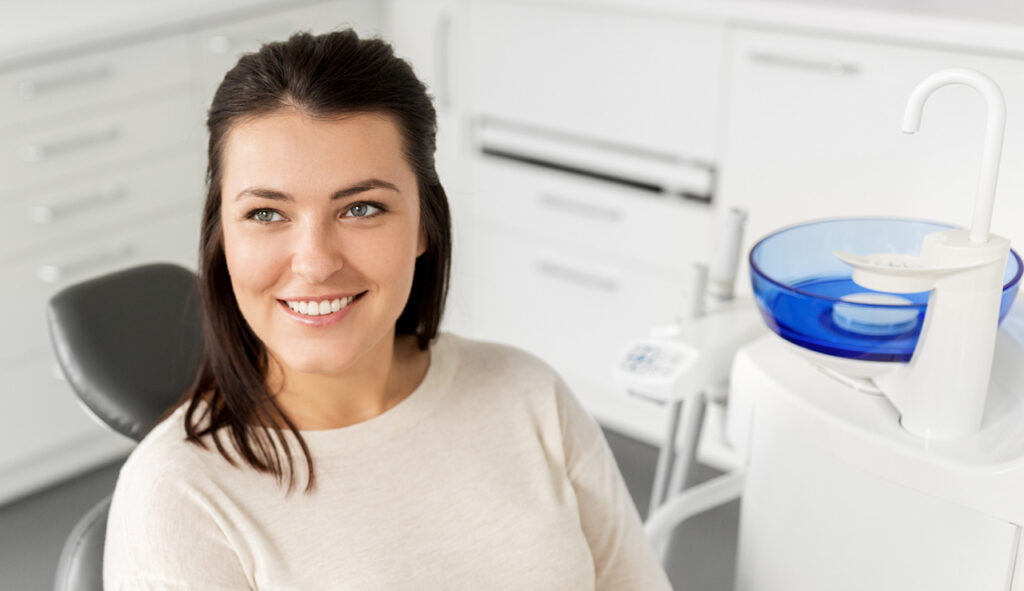
Sedation dentistry addresses these concerns by using carefully administered medications to help patients relax during their appointments. Rather than white-knuckling through a procedure or avoiding the dentist altogether, sedation allows patients to receive necessary care while remaining calm and comfortable. Many patients report that time seems to pass quickly during sedated procedures, and some have little to no memory of the appointment afterward.

oral sed 1 - Distinctive Dentistry
oral sed 2 1 - Distinctive Dentistry

What is Oral Conscious Sedation?

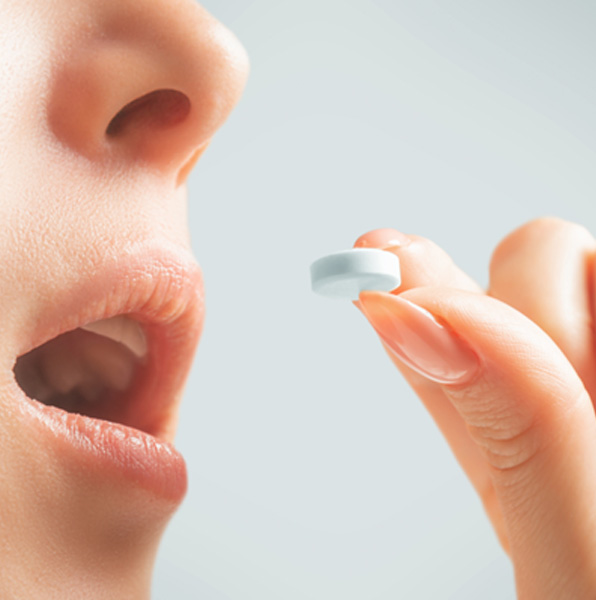
This type of sedation is ideal for patients who have moderate to severe dental anxiety, strong gag reflexes, or a hard time sitting still for long periods of time. Usually, we prescribe a single dose that you’ll be asked to take before your scheduled procedure. The type of medication used can vary based on your unique health history and dental condition, but popular choices include Valium, Ativan, and Halcion.
You can typically expect the drugs to start working within about 15 minutes of swallowing the pill and for the effects to last until after your appointment.

oral sed 3 - Distinctive Dentistry

How Does Oral Conscious Sedation Work?

These sedatives are used to induce a sense of deep calm and relaxation to help you remain comfortable throughout your visit. Patients are usually still responsive enough to respond to questions or directions but might not remember the details of their appointment after the fact. While it doesn’t necessarily render you unconscious, you might feel so soothed that you nod off while we work.
Because this type of sedative lingers in your system, you’ll still probably be under its influence once we’ve completed our work. That means to get home safely, you may need to arrange for someone you trust to drive you.
oral sed 4 - Distinctive Dentistry

Are You a Good Candidate for Oral Conscious Sedation?

The only way to know for certain whether you might benefit from oral conscious sedation is to have a consultation with one of our dentists. Certain medications might not interact well together, so before administering any drugs, our team needs to have an updated medical history and a complete list of prescriptions and supplements that you take regularly. That way, we can safely determine the best method to help keep you calm during your visit.

You might be a good candidate for this medication if you:

Abstract logo design featuring a dark blue, stylized, intertwined "O" and "D" on a black background, creating a symmetrical and modern appearance.

Suffer fear, anxiety, or nervousness over dental work.

Abstract logo design featuring a dark blue, stylized, intertwined "O" and "D" on a black background, creating a symmetrical and modern appearance.

Procrastinate or avoid scheduled appointments or procedures.

Abstract logo design featuring a dark blue, stylized, intertwined "O" and "D" on a black background, creating a symmetrical and modern appearance.

Have an overly sensitive gag reflex.

Abstract logo design featuring a dark blue, stylized, intertwined "O" and "D" on a black background, creating a symmetrical and modern appearance.

Must undergo multiple treatments or must sit still for a long period.

Abstract logo design featuring a dark blue, stylized, intertwined "O" and "D" on a black background, creating a symmetrical and modern appearance.

Struggle to keep their mouth open for an entire visit.

Abstract logo design featuring a dark blue, stylized, intertwined "O" and "D" on a black background, creating a symmetrical and modern appearance.

Don’t respond well to local anesthesia.

Abstract logo design featuring a dark blue, stylized, intertwined "O" and "D" on a black background, creating a symmetrical and modern appearance.

Have had a previous negative dental experience.
Relax through your next dental visit – enjoy stress-free care with personalized sedation options with low monthly cost.

sedation 2 - Distinctive Dentistry

Types of Sedation Available at Our Practice

Our Jacksonville team offers several sedation options tailored to each patient’s unique needs and anxiety levels.

Nitrous Oxide Sedation

Commonly known as laughing gas, nitrous oxide provides mild relaxation while allowing patients to remain fully conscious and responsive. This form of sedation wears off quickly after the mask is removed, allowing patients to typically drive themselves home after their appointment. Nitrous oxide works well for patients with mild anxiety or those who simply want to take the edge off during their visit.

Oral Conscious Sedation

For patients with moderate anxiety, oral sedation involves taking a prescribed medication before the appointment. This produces a deeper state of relaxation while patients remain awake and able to respond to instructions. Because oral sedation takes time to wear off, patients need someone to drive them to and from their appointment and should plan to rest for the remainder of the day.

The Wand for Comfortable Anesthesia

Our practice utilizes The Wand, an advanced computer-controlled anesthesia delivery system that makes receiving local anesthesia significantly more comfortable than traditional injections. This technology delivers numbing medication slowly and steadily, dramatically reducing the pressure and discomfort typically associated with dental injections. For many patients, the anxiety around needles is a primary concern, and The Wand helps address this fear directly.

Who is a Good Candidate for Nitrous Oxide?

Since it’s effective at alleviating dental-related anxiety, patients often assume that’s the only use for nitrous oxide. That’s not the case! In fact, this mild sedative can be used to help patients who have a strong gag reflex, struggle with dental sensitivity, or simply need more extensive care. If you’re interested in seeing if you’re a candidate for this calming solution, then we strongly recommend scheduling an appointment with our Jacksonville dental team so we can learn more about your medical and dental history as well as any allergies or conditions you have.

How Does Nitrous Oxide Work?

Nitrous oxide is administered in-office. On the day of your appointment, we’ll walk you to the treatment room and help you get comfortably settled into the chair. When you’re ready, we’ll place a small mask over your nose that will allow you to breathe in the colorless, odorless gas. Within less than a minute, you’ll feel the effects kicking in, helping you feel more at-ease. Of course, you’ll still be completely awake, which means that you can still ask any questions you have or even ask for more or less of the nitrous oxide. You’ll also be able to respond to any verbal cues we give you, helping the treatment go that much quicker.

Aftercare for Nitrous Oxide

Since there isn’t any lingering grogginess with nitrous oxide, there really aren’t any aftercare instructions! At the end of your treatment, we will switch off the nitrous, allowing you to breathe in only oxygen again. The effects will dissipate within a matter of minutes, so you can drive yourself home from your appointment as well. Before you leave, we will give you aftercare instructions specific to the treatment you received. As always, if you have any questions, you’re always welcome to call us.

Who Can Benefit From Sedation Dentistry?

Sedation dentistry serves a wide range of patients beyond those with general dental anxiety. Individuals who have had traumatic dental experiences in the past often find sedation allows them to move forward with necessary care. Patients with sensitive gag reflexes, difficulty sitting still for extended periods, or those requiring lengthy or complex procedures also benefit significantly from sedation options. 

Our cosmetic dentistry patients pursuing smile makeovers and our dental implant patients frequently choose sedation to ensure their comfort throughout these transformative procedures.

Additionally, patients with certain medical conditions or physical limitations that make sitting in the dental chair challenging may find sedation makes their appointments more manageable. During your consultation, we will discuss your specific concerns and health history to determine which sedation option best suits your needs.

sedation faq - Distinctive Dentistry

Will I Remember Anything with Sedation Dentistry?

There are multiple types of sedation, which cause different effects, like memory loss. You’re more likely to remember your appointment with nitrous oxide, but it may be fragmented. Memory loss is a common effect of oral conscious sedation, which can be a great option for patients with dental-related phobias or bad past experiences.

Does Dental Sedation Make You Tell Your Secrets?

Dental sedation isn’t a truth serum, but you will reach a high level of relaxation. You may even get a case of the giggles with nitrous oxide. As a result, you may speak more freely. Don’t worry about saying anything embarrassing because what happens in the room will stay in the room.

What Does It Feel Like to Be Sedated at the Dentist?

The effects of different dental sedatives are unique. Nitrous oxide is the safest solution for most patients, which causes the extremities to feel weak or tingly. Your body may feel heavy and any anxiety will fade away. You may get so comfortable that you fall asleep, but you can still be awakened easily. You’ll feel completely normal within a few minutes of your dentist stopping the inhaled sedation. The effects of oral conscious sedation are a little stronger. You’ll probably drift off to sleep, but you won’t be unconscious. You can still respond to slight touches, noises, or verbal instructions from your dental team. The effects can take a few hours to dissipate, so you’ll need a friend or loved one to drive you home. You’ll also need to take it easy for the rest of the day and shouldn’t make any important decisions.

How Much Does Sedation Dentistry Cost?

There’s no flat fee for sedation dentistry because many factors affect the cost, like the type used. Dental insurance can partially cover the cost in certain situations. We will work on your behalf with your dental insurance to maximize any applicable coverage. We also accept many payment methods for any out-of-pocket expenses, like CareCredit. You can pay for sedation using a monthly payment plan with little or no interest in financing.

Will I Feel Any Pain With Dental Sedation?

Your dentist can use a local numbing agent to block any pain signals. While you may feel pressure, you won’t have any outright pain. Although you won’t feel anything during your procedure, your mouth can be a little tender, depending on your treatment. You can manage any discomfort with an OTC pain reliever. Your dentist may recommend eating soft foods until any tenderness subsides.

What to Expect During Your Sedation Dentistry Appointment

Your sedation dentistry experience begins with a thorough consultation where we review your medical history, discuss your anxiety triggers, and explain your sedation options in detail. We want you to feel informed and confident before your procedure. On the day of your appointment, our team monitors your vital signs throughout the procedure to ensure your safety and comfort.

The following considerations help ensure a smooth sedation experience:

  • Pre-appointment preparation: Follow fasting instructions if provided, arrange transportation home for oral sedation appointments, and wear comfortable clothing.
  • During the procedure: Our team continuously monitors your comfort level and vital signs while Dr. Mullens or Dr. Nguyen performs your dental work.
  • Post-appointment care: Rest at home following oral sedation, avoid operating machinery or making important decisions until the medication fully wears off, and follow any specific aftercare instructions provided.

Our preventive dentistry services, routine cleanings, and even more involved procedures can all be performed with sedation when appropriate.

Schedule Your Consultation With Distinctive Dentistry by Mullens & Nguyen

Dr. Richard Mullens, an American College of Dentists Fellow with over three decades of experience, and Dr. James Nguyen, whose background in fine arts sculpture brings an artistic precision to every procedure, lead our compassionate team in providing uncompromising dental care. We are dedicated to helping anxious patients overcome their fears and achieve the healthy, beautiful smiles they deserve. Our state-of-the-art facility features advanced technology to enhance your comfort and treatment outcomes.


Do not let dental anxiety prevent you from receiving the care you need. Our team at Distinctive Dentistry by Mullens & Nguyen takes pride in creating positive experiences for even the most apprehensive patients, and we welcome the opportunity to help you feel truly cared for in our Jacksonville dental office. Request an appointment today to discuss how sedation dentistry can transform your dental experience.

Frequently Asked Questions

What sedation options are available at your Jacksonville dental office?

Our Jacksonville practice offers nitrous oxide (laughing gas) for mild relaxation allowing patients to remain fully conscious and drive home afterward, and oral conscious sedation for moderate anxiety requiring prescribed medication taken before appointments. We also utilize The Wand, an advanced computer-controlled anesthesia delivery system making local anesthesia significantly more comfortable than traditional injections. Our team evaluates your specific concerns and health history to determine which sedation option best suits your needs.

Sedation dentistry benefits patients experiencing dental fear and anxiety, those with traumatic past dental experiences, individuals with sensitive gag reflexes, patients requiring lengthy or complex procedures, and those who struggle sitting still for extended periods. People with certain medical conditions or physical limitations making dental chair positioning challenging may also find sedation helpful. During your consultation, we discuss your specific concerns and health history to determine the most appropriate sedation approach.

Memory effects vary by sedation type. With nitrous oxide, you are more likely to remember your appointment, though memories may be fragmented. Oral conscious sedation commonly causes memory loss of the procedure, making it an excellent option for patients with dental phobias or negative past experiences. Many patients report that time seems to pass quickly during sedated procedures, helping transform what would otherwise be an anxiety-inducing experience into a manageable appointment.

Your dentist can use a local numbing agent to block pain signals during any procedure, meaning you may feel pressure but not outright pain. Sedation medications help you feel deeply relaxed and calm throughout your visit, with some patients feeling so comfortable they drift off during treatment. After your procedure, your mouth may feel tender depending on the treatment received, but any discomfort can typically be managed with over-the-counter pain relievers.

Sedation dentistry costs vary based on the type of sedation used and your specific treatment needs, so there is no flat fee. Dental insurance may partially cover sedation costs in certain situations, and our team works on your behalf to maximize any applicable coverage. We also accept CareCredit financing, allowing you to pay for sedation through convenient monthly payment plans with little or no interest, making anxiety-free dental care accessible within your budget.

Office Hours

8:00 am – 5:00 pm
8:00 am – 5:00 pm
8:00 am – 5:00 pm
8:00 am – 5:00 pm
8:00 am – 11:30 am

Something Stuck Between the Teeth

If you have any food debris or an object stuck between your teeth, don’t try to remove it with a toothpick or any sharp objects, as this could damage your gums. Typically, gently flossing around the tooth and rinsing your mouth with saltwater can help dislodge it. However, if you’re not having any luck, you can also give our office a call. Our dental hygienists have all of the necessary tools to safely remove the debris.

Jaw Pain

Is Jaw Pain a Dental Emergency? Lockjaw, jaw tension, and pain are just a few of the many different types of jaw pain. If your discomfort is chronic, our team can help you determine the underlying cause of it and refer you to a specialist if necessary. However, if your pain is a result of an impact, visit your local emergency room.

How You Should Handle Jaw Pain: Our team is happy to provide you with further guidance over the phone if you’re unsure of where to go for help. You can place an ice pack on the outside of your face to relieve any discomfort.

How We Treat Jaw Pain: If you believe your jaw is broken, dislocated, or damaged due to trauma, visit your local ER immediately. If it’s a reoccurring issue, our team can help you determine best next steps for finding relief after conducting an examination.

Injury to the Gums, Lips, or Tongue

Is an Injury to the Gums, Lips, or Tongue a Dental Emergency?  If your oral injury doesn’t stop bleeding after 10 minutes, you may need to go to the emergency room. Or, if you’re conflicted about what to do, give our office a call and our team can help.

How You Should Handle an Injury to the Gums, Lips, or Tongue: Oral wounds can bleed a lot, and when the blood mixes with the saliva, it can make the injury look a lot worse than it is. You can stop the bleeding by using a clean washcloth or piece of gauze and pressing it against the cut. A cold compress can help to reduce any swelling that may occur.

How We Treat Injuries to the Gums, Lips, or Tongue: Our team typically doesn’t see patients for injuries. If you require stitches or the bleeding doesn’t stop within 10 minutes of placing pressure on it, visit your local emergency room.

Loose Permanent Tooth

Is a Loose Permanent Tooth a Dental Emergency? If your tooth is wiggling in its socket or partially dislodged, try to get to our office as soon as possible to prevent any further damage. If you’re experiencing pain, our team can provide you with first aid guidance over the phone.

How You Should Handle Loose Permanent Teeth: Avoid touching your tooth and eating any foods (especially those that are chewy or sticky), and rinse your mouth with lukewarm saltwater to remove any debris and cleanse the area. Avoid flossing or brushing your teeth until you’re able to see us.

How We Treat Loose Permanent Teeth: If your tooth has become partially dislodged due to impact, our team may be able to salvage it and see if the roots are able to re-fuse with the bone. In the case that your tooth can’t be saved, we may recommend an extraction and replacement with a dental implant or bridge.

Broken Denture

Is My Broken Denture a Dental Emergency? Whether your denture has broken to the point of it being unwearable or it just has a crack, you should never wear a damaged prosthetic. It can lead to irritation of the oral tissues in addition to jaw discomfort. If you have existing teeth and try to wear your damaged denture, it could also harm those teeth. Call our office immediately so our team can assess your prosthetic.

How You Should Handle a Broken Denture: Although your local department store likely sells a denture repair kit, do not try to superglue or repair your own dentures. The best option in this scenario is to see a professional as soon as possible.

How We Treat Broken Dentures: Our team will examine your dentures and see if we’re able to repair them. If they’re damaged beyond repair, we can start the process of replacing them for you.

Lost Filling or Crown

Is a Lost Filling or Crown a Dental Emergency? Yes, both of these situations warrant an immediate call to our Jacksonville dental office. That way, we can repair or replace your restoration as quickly as possible.

How You Should Handle a Lost Filling or Crown In addition to reaching out to us to schedule an appointment, we recommend not eating anything crunchy, hard, or sticky. Additionally, keep your restoration somewhere safe, like a small, clean container.

How We Treat Lost Fillings or Crowns There are some cases where we can re-cement your restoration back in place, like if your dental crown is relatively new and in good condition. Other times, our only option is to replace your dental crown or filling with a new one.

Knocked-Out Tooth

Is My Knocked-Out Tooth a Dental Emergency? Since this dental injury can cause a significant amount of pain and there is only a small window of time where we can save your tooth (about 60 minutes), the answer is “yes!” So, don’t hesitate – contact our Jacksonville dental team right away to schedule an emergency appointment.

How You Should Handle a Knocked-Out Tooth Calling us is an important first step. This ensures that we can schedule an appointment for you with one of our dedicated emergency dentists right away. Plus, it allows us to guide you through the process of preserving the root of your tooth – whether that’s by placing it back in its socket or putting it in a clean container filled with milk.

How We Treat Knocked-Out Teeth Fortunately, a knocked-out tooth can sometimes be saved. If that’s not the case for some reason – like you weren’t able to find your tooth – then we will instead begin the process of replacing it with a dental bridge or implant so the look, health, and function of your smile are restored.

Very Sensitive Teeth

Are Very Sensitive Teeth a Dental Emergency? Very sensitive teeth can be a dental emergency. That’s why it’s important to consider how long you’ve been experiencing symptoms and if they are present in tandem with others, like pain when biting down.

How You Should Handle Very Sensitive Teeth There’s really only one thing you can do until your appointment: try to avoid things that could exacerbate your discomfort. In other words, don’t drink anything really hot, don’t eat anything really cold, and take OTC pain medication as directed on the label (if needed).

How We Treat Very Sensitive Teeth That depends on what’s causing your dental sensitivity. If it’s a cavity, then it’s likely that a tooth-colored filling or dental crown is the answer. If it’s an infection in your gums, then gum disease treatment is needed instead.

Cracked Tooth

Is a cracked tooth a dental emergency? Cracked teeth are considered dental emergencies and you’ll need to visit your emergency dentist as soon as possible. Leaving your tooth untreated can allow it to be vulnerable to further damage and bacteria. Before the situation worsens, schedule an appointment with our team so we can determine the best way to address your tooth.

How you should handle a cracked tooth: Refrain from chewing on that side of your mouth, otherwise you could end up disturbing your injured tooth. Take over-the-counter pain relievers to minimize discomfort. You can also rinse with saltwater to keep your tooth bacteria-free. If you notice any sharp or jagged edges on your tooth, you can use dental wax or sugar-free gum to protect your soft oral tissue.

How we treat cracked teeth: We’ll examine your cracked tooth to determine the cause of the situation as well as the proper treatment for it. If the crack is minor, then we can typically address it with composite resin to improve and strengthen your tooth. For more severe damage, you may require a dental crown to repair the structure and prevent future discomfort. If the tooth cannot be saved, then we’ll likely have to extract it and replace it with something else, such as a dental bridge, partial denture, or dental implant.

Chipped Tooth

Is a chipped tooth a dental emergency? Chipping your tooth isn’t always considered an urgent dental situation, so it isn’t the end of the world if you don’t get it treated right away. That said, leaving it exposed to bacteria for too long can lead to problems later on. Before the situation can become worse, it’s best to visit your dentist for help.

How you should handle a chipped tooth: Until you’re able to see us for treatment, be sure to avoid chewing on that side of your mouth. Be gentle when brushing your teeth and gums, and don’t hesitate to use dental wax to cover up any rough or sharp edges you might notice. This can help you prevent harming your cheeks or other soft oral tissue.

How we treat chipped teeth: Chipped teeth can typically be treated by using composite resin to repair and improve them. However, if the damage is more visible and toward the front of your smile, then veneers might be the longer-lasting solution you’re looking for.

Toothaches

Is my toothache a dental emergency? Toothaches can be due to various reasons, some of which might not be particularly urgent. Even so, this can sometimes be an indication of a more serious dental emergency, such as an oral infection. That’s why it’s best to visit your dentist sooner rather than later so that they can address the underlying problem before it grows.

How you should handle a toothache: Rinse your mouth with saltwater to sanitize the area, dislodge any stuck objects between your teeth, and help alleviate any discomfort. You can also take over-the-counter pain medications to further minimize the aching.

How we treat toothaches: Our team will need to thoroughly evaluate your smile to determine the root cause of your toothache. If it’s due to periodontal issues, then we’ll provide gum disease treatment. Other procedures to get rid of your toothache might involve root canals or tooth extractions, if necessary. We’ll be sure to walk you through your options before moving forward with any treatment.