

Dental technology matters most when you can feel the difference in the chair: fewer surprises, less discomfort, shorter appointments, and a clearer picture of what is happening in your mouth. Rather than listing equipment, this guide walks through a typical visit at our Jacksonville office and shows where each tool actually changes your experience, from the moment you sit down to the follow-up after treatment.
At Distinctive Dentistry by Mullens & Nguyen, the tools described here are the ones our practice lists on our advanced dental technology page and service pages. Dr. Mullens and Dr. Nguyen use them to support, not replace, the time they spend examining you and talking through your options.
How Modern Technology Enhances Your Dental Experience
The dental industry has evolved dramatically in recent years, and the biggest change for patients is not any single machine but how the pieces fit together across a visit. Here is how that plays out in practice.
Step 1: The Exam, With More Accurate Diagnostics
Early detection is crucial for effective dental treatment, and it is the part of the visit where technology does the most quiet work. During your exam, our team uses several diagnostic tools that help us find problems before they become serious:
- DIGIDOC cavity detection: Uses fluorescent technology to flag signs of decay, including between teeth or in its earliest stages, when a smaller, more conservative filling may be enough.
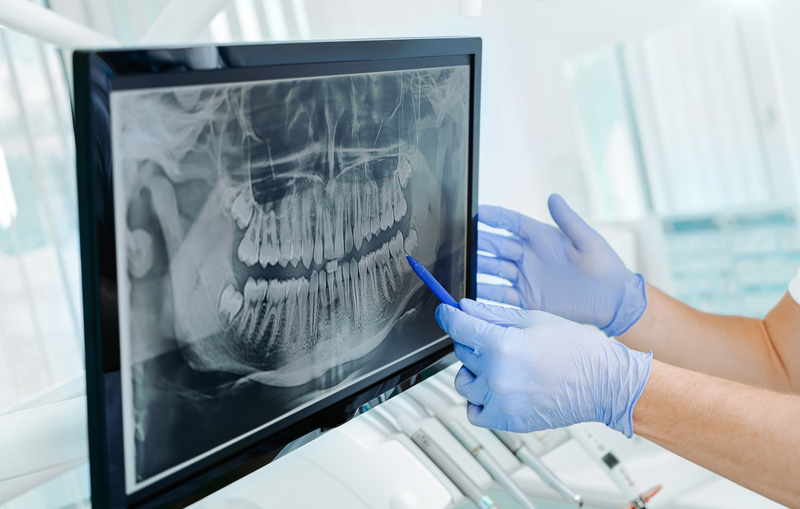
- Digital X-rays: Deliver detailed images instantly and use significantly less radiation than traditional film X-rays, with no waiting for film to develop.
- Sirona CBCT: Cone beam computed tomography creates a 3D view of teeth, bone, nerves, and sinuses in a single scan that takes well under a minute, which helps with implant planning and complex problems like TMJ evaluation.
- OralID screening: A fluorescence light used alongside the visual and hands-on exam during an oral cancer screening to help highlight tissue that deserves a closer look.
For you, the practical result is fewer return visits to investigate a problem and a diagnosis based on what the images actually show rather than guesswork.
Step 2: Seeing What We See
Beyond producing clearer images, these tools help us explain dental conditions more effectively. Intraoral cameras are small, pen-shaped cameras that send close-up images of a tooth to a chairside monitor, so you can see a crack, worn filling, or area of concern for yourself.
When you can see exactly what we are describing, you become a more informed participant in your treatment decisions. Many patients tell us this is what lowers their anxiety most, because nothing about the recommendation feels like a mystery.
Step 3: Enhanced Comfort During Procedures
We understand dental anxiety is real, which is why our practice has invested in technologies designed specifically for comfort. The Wand is a computer-controlled local anesthesia system that delivers numbing medication at a slow, steady rate. Many patients find it more comfortable than a traditional injection, and it can help limit the lingering, widespread numbness that often follows a manual injection.
Our DEKA CO2 soft-tissue laser allows us to reshape or remove gum tissue without a scalpel in many cases. Because the laser seals tissue as it works, it can reduce bleeding and discomfort and support faster healing compared to traditional methods. You can learn more on our laser dentistry page. For patients whose anxiety needs more support than comfort technology alone, we also offer sedation dentistry.
Step 4: Planning Treatment and Improving Outcomes
Technology doesn’t just make your experience more comfortable; it also supports the quality of care you receive. Digital impressions can replace traditional impression putty in many cases, capturing precise measurements of your teeth and bite for restorations and appliances that fit well.
For cosmetic treatment, our digital smile design process uses imaging and planning software to create a virtual preview of potential results before treatment begins. This lets us show you what to expect, discuss changes together, and fine-tune the plan before anything permanent happens.
Safety-Enhancing Technologies
Patient safety is our highest priority, and several technologies work in the background of every visit to create a safer dental environment.
Advanced Sterilization and Infection Control
We follow rigorous infection control protocols, and our standards of care meet or exceed CDC, OSHA, and ADA guidelines for dental offices. Instruments are sterilized following CDC-approved procedures, and during procedures that create aerosols, an extraoral suction system near your mouth helps remove airborne particles. Our advanced safety protocol page describes these measures in more detail.
Comprehensive Screening Tools
Early detection matters when it comes to oral cancer. Our practice uses OralID as part of a thorough screening that also includes a careful visual and physical exam. OralID can help draw attention to areas that may be hard to see under normal light, but it is an aid rather than a diagnosis, and any area of concern is evaluated further, which may include a biopsy. Our article on OralID oral cancer screenings explains what the light can and cannot tell us.
The Human Element: Technology Paired with Personal Care
While technology provides remarkable capabilities, we believe the true enhancement to your dental experience comes from how we integrate these tools with personalized, attentive care.
Technology enables our team to spend less time on routine tasks and more time on concerns you may have as an individual. Faster imaging and digital records mean less waiting and more chairside time with the dentist, which is where questions get answered and plans get made.
Most importantly, we use technology to enhance communication, not replace it. Our digital tools help us better explain treatment options, show you exactly what we’re seeing, and involve you as a true partner in your dental health decisions.
Experience the Difference of Technology-Enhanced Dentistry
At Distinctive Dentistry by Mullens & Nguyen, we believe in creating happier, healthier, and more radiant lives through sincere care and uncompromising dentistry. Dr. Mullens, an American College of Dentists Fellow with over three decades of experience, and Dr. Nguyen, whose background in fine arts gives him an exceptional eye for detail, lead our team in providing caring dentistry with an artistic touch.
If you would like to see how these tools fit into your own care, we would be glad to show you around during your next visit. Request an appointment online to schedule a visit at our Jacksonville office.
Frequently Asked Questions About Dental Technology
Is CBCT imaging safe?
Yes. Dental CBCT scans typically use considerably less radiation than a conventional medical CT scan, and the scan itself is quick. We recommend CBCT when the 3D information it provides, such as for implant planning or jaw joint evaluation, is useful for your care.
Will digital impressions replace all traditional impressions?
Digital scanning has replaced traditional impressions in many cases, though certain situations may still call for a conventional approach depending on the specific restoration or appliance being made.
Does The Wand hurt less than a regular injection?
Many patients report less discomfort with The Wand’s computer-controlled delivery, since it administers anesthesia at a slow, steady rate rather than the quicker pressure of a manual injection. Comfort varies from person to person, and our team will adjust to what works for you.
How often should I have an oral cancer screening?
An oral cancer screening is part of your routine dental exam. We recommend OralID screening at least once a year for most adults, with more frequent checks for patients with higher risk factors such as tobacco use, heavy alcohol use, or a history of oral lesions.
Can dental technology help if I have dental anxiety?
It often helps. Seeing images on a chairside screen removes much of the uncertainty, The Wand can make numbing more comfortable, and laser treatment can reduce bleeding and recovery time for some gum procedures. For patients who need more support, sedation dentistry is also available.


