


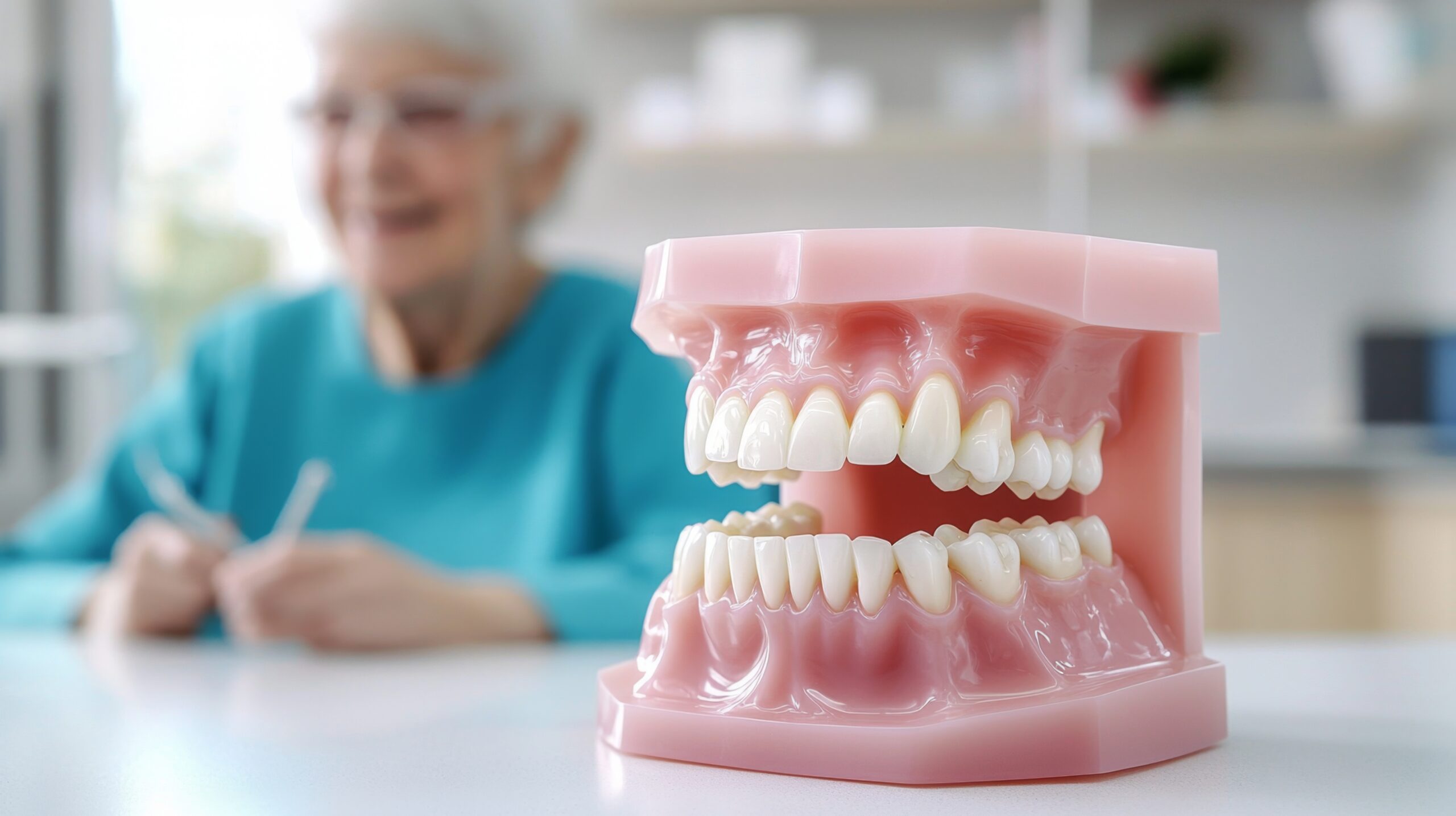
At Distinctive Dentistry by Mullens & Nguyen, we work with active adults throughout Jacksonville, FL, who want more than a quick fix. Dr. Richard Mullens brings over 35 years of experience to every smile transformation, and Dr. James Nguyen combines a background in fine arts with a faculty position at the University of Florida College of Dentistry. Together with Dr. Myers, they offer the kind of thoughtful, personalized care that helps seniors decide whether dental implants are the right path forward.
What Are Dental Implants, and Why Do Seniors Consider Them?
Dental implants are titanium posts placed in the jawbone that serve as artificial tooth roots, supporting a natural-looking crown. For seniors, the appeal is straightforward: implants restore the ability to eat, speak, and smile with complete confidence, all without the slipping or discomfort that removable dentures can bring.
Research published by the National Library of Medicine supports strong long-term success rates for dental implants in older patients, challenging the outdated idea that age alone disqualifies someone from this procedure. What matters most is not a number on a birthday cake but the overall health of your jawbone and gums.
Does Age Actually Affect Implant Candidacy?
Age is a consideration, but it is not a disqualifier. Adults of any age can be strong candidates for dental implants, provided their jawbone has adequate density and their gum tissue is healthy. Seniors do face a few specific factors that are worth discussing with our office before moving forward.
What Our Team Evaluates Before Recommending Implants
Several health factors shape whether dental implants are the right fit for an older patient. Our team carefully reviews each of the following before making a recommendation:
- Bone Density: Seniors are more likely to experience jawbone loss after tooth loss, which can affect whether an implant integrates successfully. Patients with osteoporosis may need an additional bone density evaluation specific to the jaw
- Gum Health: Conditions like periodontal disease must be addressed before implant placement can begin
- Overall Health: Certain medications and systemic conditions, such as uncontrolled diabetes or blood thinners, require careful review and coordination with your physician
- Healing Capacity: While healing may take slightly longer in some older patients, the vast majority of seniors heal well with proper post-procedure guidance
Knowing what to expect going in allows you to approach the process with confidence rather than uncertainty.
Recovery Timeline for Senior Dental Implant Patients
Most patients, regardless of age, experience mild swelling and tenderness for the first few days after implant placement, which typically improves with over-the-counter pain relief and a soft-food diet. For seniors, the jawbone generally takes about three to six months to fully fuse with the implant post through osseointegration, a timeline that can run slightly longer for patients with lower bone density or certain chronic conditions. During this period, follow-up visits allow the dental team to monitor healing progress before the final crown is attached. Patients who stay consistent with any prescribed home care routine and attend every follow-up appointment tend to have the smoothest recovery experience, and most seniors return to their normal daily activities within just a few days of the procedure itself.
Implants vs. Dentures for Older Adults: A Side-by-Side Look
Traditional dentures rest on the gums and are removable, which makes them a lower-cost, non-surgical option, but many wearers experience slipping, discomfort, and the gradual bone loss that comes from no longer stimulating the jaw with tooth roots. Dental implants, by contrast, integrate directly into the jawbone and function much like natural teeth, preserving bone density and eliminating the need for adhesives or nightly removal. Implant-supported overdentures offer a middle ground for seniors who want more stability than a traditional denture but are not ready for a full set of individual implants. The right choice depends on your budget, bone health, and how much stability and long-term bone preservation matter to you, which is exactly what a personalized consultation is designed to clarify.
What Makes Implants a Smart Cosmetic Investment for Older Adults?
Beyond their functional benefits, dental implants are a powerful cosmetic solution. When teeth are missing, the jawbone gradually shrinks, causing the face to take on a sunken or aged appearance over time. Implants stimulate the bone just as natural teeth do, helping preserve the shape of your face and keeping your profile youthful.
Our smile gallery features real results from patients who have experienced this kind of full-smile transformation. For seniors who want a full mouth restoration or are exploring options like implant dentures, dental implants serve as the foundation for a complete, lasting result.
Are There Alternatives if Implants Are Not the Right Fit?
Not every senior will be the ideal candidate for traditional implant surgery, and that is entirely okay. Our team takes the time to understand your goals and health history before recommending any path. In some cases, bone grafting can be used to restore sufficient density before implant placement. In others, implant-supported overdentures may offer a more practical route to a secure, beautiful smile.
The right answer depends entirely on your unique situation, which is why a personal consultation is always the starting point.
Schedule a Consultation at Distinctive Dentistry by Mullens & Nguyen
Dental implants have given countless seniors in Jacksonville the freedom to eat what they love, laugh without hesitation, and feel genuinely confident in their smile again. Age alone does not determine success. Your bone health, overall wellness, and the right dental team make all the difference.
If you are ready to explore whether dental implants are right for you, Dr. Mullens, Dr. Nguyen, and Dr. Myers would be glad to help. Call our office at (904) 399-3163 or reach out through our contact form to schedule your consultation today.
Frequently Asked Questions About Dental Implants for Seniors
Is there an age limit for getting dental implants?
There is no upper age limit for dental implants. Candidacy depends on the health of your jawbone and gums, your overall health status, and your ability to heal, not on your age alone. Many patients in their seventies, eighties, and beyond receive implants successfully.
How long does it take to recover from dental implant surgery as a senior?
Initial soreness typically improves within a few days, while full integration of the implant with the jawbone generally takes three to six months. Some seniors may experience a slightly longer healing window depending on bone density and overall health.
Are dental implants better than dentures for older adults?
Implants generally offer better stability, comfort, and long-term bone preservation compared to removable dentures, but they require a surgical procedure and adequate bone density. Dentures remain a lower-cost, non-surgical alternative that may suit some patients better depending on their health and budget.
Do certain medications prevent seniors from getting implants?
Some medications, including certain bisphosphonates used for osteoporosis and blood thinners, require careful evaluation before implant surgery. This does not automatically rule out treatment, but it does mean your dental team will coordinate closely with your physician.
What happens if I do not have enough jawbone for an implant?
A bone graft can rebuild the volume needed to support an implant in many cases. If grafting is not the right fit, implant-supported overdentures offer an alternative that still provides more stability than traditional removable dentures.


