



Sometimes, it’s the little things that can distort your smile. Little chips or cracks—including chipped teeth and a chipped tooth—and minor staining or a discolored tooth can add up over time. Taken together, such issues keep your grin from looking gorgeous. Thankfully, though, there’s a solution to the problem: cosmetic dental bonding in Jacksonville! This cosmetic procedure – courtesy of Drs. Mullens and Nguyen – will hide your tooth flaws quickly and effectively. Dental bonding can also change the shape of your teeth and close spaces between them for improved aesthetics. To learn more, just keep reading or contact our office for details!

Quality dental care made accessible with payment plans designed to fit your family’s financial needs.

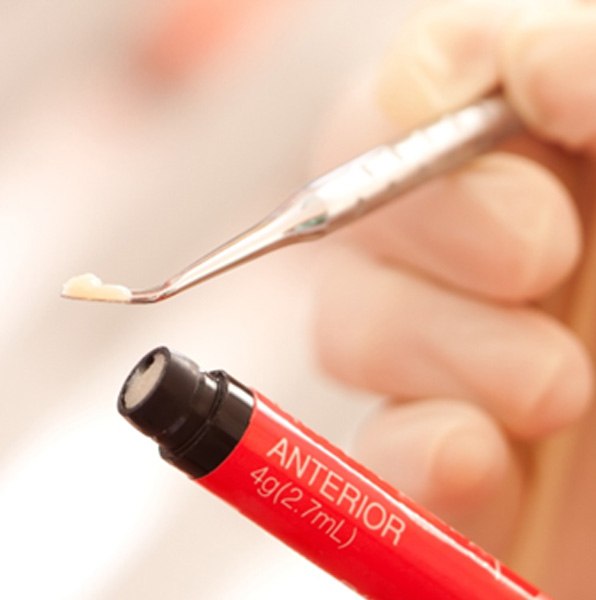
In essence, cosmetic dental bonding—also known as teeth bonding or tooth bonding—is a procedure that hides smile flaws. It uses tooth-colored resin to cover imperfections like chips, stains, and cracks, and the dentist uses a special bond to adhere the resin to the tooth. The use of high-quality bonding materials is important for the durability and appearance of the results. The dental bonding procedure involves several steps to ensure a natural look that blends seamlessly with the rest of your smile.
Furthermore, the treatment is quick, cost-effective, and non-invasive. In most cases, your dentist will complete dental bonding in a single one-hour visit. This dental bonding is also metal-free, making it a safe and healthy choice for your smile.
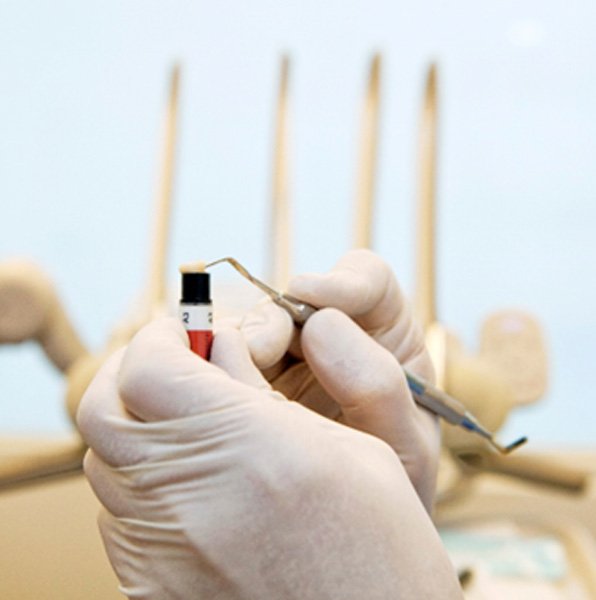
Ultimately, almost anyone can qualify for cosmetic dental bonding; treatment requirements aren’t overly stringent. Even so, it’s a fact that the best candidates want to address minor smile flaws. Therefore, treatment is ideal for patients with one (or more) of the following issues:
Cosmetic dental bonding can be performed on a single tooth or on many teeth, depending on the patient’s needs.
Of course, the best way to confirm your candidacy is to visit our dentists. They’ll assess your smile and see if cosmetic dental bonding suits you!
Fix minor flaws fast – transform chips and stains in just one visit with budget-friendly monthly payment plans.

If approved by a dentist, cosmetic dental bonding is done over a single visit or one visit, typically completed in about one hour. This appointment includes an initial consultation and the actual procedure, and rarely requires multiple visits.
At the consultation, our team will develop a personalized treatment plan based on your wants. They’ll thus learn your smile goals, treatment expectations, and medical history. After that discussion, the team will use a shade guide to select the resin color that matches your enamel.
After the consultation, our dentists will proceed with treatment. Firstly, they’ll prep your teeth by cleaning them and etching their surfaces. The next step will be to coat the teeth with a conditioning liquid. (Doing so helps the bonded materials stick.) During the procedure, the dentist applies the composite resin to the tooth, then carefully molds it to the desired shape. To harden the resin, a special light—such as an ultraviolet light or UV light—is used, ensuring the material sets properly and matches adjacent teeth. This process can quickly and effectively repair chipped teeth and address other cosmetic concerns.
While cosmetic dental bonding is a fantastic way to enhance your smile, it’s important to remember that maintaining your oral health is key to keeping your bonded teeth looking and feeling their best. Practicing good oral hygiene—brushing twice a day, flossing daily, and using mouthwash—helps prevent tooth decay and gum disease, both of which can compromise the integrity of the bonding material and your natural teeth.
Regular check-ups with your dentist are essential for monitoring the condition of your bonded teeth and catching any issues early, such as chipping, sharp edges, or further damage to the bonding material. If you notice any discomfort or changes, like sharp edges on a bonded tooth, be sure to contact your dentist promptly. By staying proactive with your dental care and following your dentist’s recommendations, you can enjoy the benefits of cosmetic dental bonding while minimizing the risk of complications.

With cosmetic dental bonding, you’ll experience various perks. These include:
A Quick & Painless Process – Compared to veneers, dental bonding isn’t invasive and doesn’t remove enamel. It thus preserves more of your natural tooth structure than the former option.
Versatile Care – Because its composite resin can cover the whole fronts of teeth, cosmetic bonding is versatile and can treat many kinds of smile flaws.
Easy, Long-Lasting Results – To maintain treated teeth, brush them twice daily, floss them once daily, and rinse them often with mouthwash. Some bonding materials are also stain resistant, helping your smile stay bright. If you do, results can last for several years.
When considering cosmetic dental bonding, it’s helpful to compare it to other treatments and restorative options like crowns and veneers. While bonding is less invasive and more affordable, crowns and veneers are more durable, stain resistant, and suitable for severe tooth damage, but they require more extensive preparation and cost. Bonding is a great choice for minor repairs, but maintaining a mouth healthy is crucial for the longevity of your new tooth and the success of any cosmetic procedure.
One of the most common questions about cosmetic dental bonding is, “How long does dental bonding last?” The answer depends on several factors, including your oral habits, the quality of the bonding material, and the skill of your dentist. On average, dental bonding can last anywhere from 3 to 10 years. Habits such as biting your nails, chewing on pens, or using your teeth to open packages can shorten the lifespan of the bonding material. Maintaining excellent oral hygiene and visiting your dentist regularly for check-ups will help extend the life of your bonded teeth. While dental bonding is a durable and cost-effective solution for many cosmetic dental concerns, it’s important to remember that it may require touch-ups or replacement over time to keep your smile looking its best. Schedule an appointment through our contact form or call us at 904-399-3163
Dental bonding can last between 3 to 10 years, depending on your oral habits, the quality of the bonding material, and how well you care for your teeth. Practicing good oral hygiene and visiting your dentist regularly for check-ups can help your bonded teeth last longer.
Most patients find the bonding procedure to be painless and do not require anesthesia. Some may experience minor sensitivity or discomfort, but this is usually temporary.
While dental bonding is effective for repairing minor tooth damage, such as small chips or cracks, it may not be suitable for severe tooth damage. In those cases, your dentist may recommend more extensive restorations like crowns or veneers.
To keep your bonded teeth in great shape, practice good oral hygiene by brushing and flossing daily, avoid habits that can damage the bonding material, and see your dentist regularly for check-ups and cleanings.
Yes, dental bonding is a reversible procedure. The tooth-colored material can be removed or replaced if needed, making it a flexible option for many patients.
Dental bonding is generally considered a cost-effective solution for repairing or enhancing the appearance of teeth. The cost can vary based on the extent of the procedure, the expertise of your dentist, and your location, but it is often more affordable than other cosmetic dental treatments like veneers or crowns.
Most dental bonding procedures are completed in a single one-hour visit at our Jacksonville office, making it one of the quickest cosmetic dentistry solutions available. The process involves cleaning and preparing your tooth surface, applying tooth-colored composite resin that matches your natural teeth, sculpting the material to the desired shape, hardening it with a special UV light, and polishing for a natural finish. No extensive tooth preparation or anesthesia is typically needed, making the procedure comfortable and painless. You’ll leave our office with immediate results and improved confidence. For patients treating multiple teeth, the appointment may take slightly longer, but same-day completion is standard. Schedule your bonding consultation to transform minor smile flaws quickly and conveniently.
Dental bonding typically lasts 3 to 10 years with proper care. To maximize longevity, brush twice daily with non-abrasive toothpaste, floss daily to prevent decay around bonded areas, avoid biting hard foods like ice or hard candy, don’t use teeth as tools to open packages, limit staining substances like coffee, tea, and tobacco, and attend regular dental checkups and cleanings every six months. While bonding material is durable, it’s not as strong as natural teeth or porcelain veneers, so avoiding excessive force protects your investment. Our Jacksonville team provides personalized care instructions after treatment. If bonding chips or becomes discolored, we can easily repair or replace it. Good oral hygiene habits help bonded teeth maintain their beautiful appearance for years.
Each option serves different needs. Dental bonding is ideal for minor chips, small gaps, and single tooth corrections—it’s completed in one visit, requires minimal tooth preparation, costs $100-$600 per tooth, and lasts 3-10 years. Porcelain veneers work best for multiple teeth, severe discoloration, and comprehensive smile makeovers—they require 2-3 visits, cost $900-$2,500 per tooth, but last 10-15+ years and resist staining better. Dental crowns are recommended for severely damaged teeth needing structural support. For quick, affordable fixes to minor imperfections, bonding offers excellent value. For long-term smile transformations, veneers provide superior durability. During your consultation, our Jacksonville dentists will evaluate your specific situation and recommend the best treatment for your goals and budget. Contact us to discuss your options.


If you have any food debris or an object stuck between your teeth, don’t try to remove it with a toothpick or any sharp objects, as this could damage your gums. Typically, gently flossing around the tooth and rinsing your mouth with saltwater can help dislodge it. However, if you’re not having any luck, you can also give our office a call. Our dental hygienists have all of the necessary tools to safely remove the debris.
Is Jaw Pain a Dental Emergency? Lockjaw, jaw tension, and pain are just a few of the many different types of jaw pain. If your discomfort is chronic, our team can help you determine the underlying cause of it and refer you to a specialist if necessary. However, if your pain is a result of an impact, visit your local emergency room.
How You Should Handle Jaw Pain: Our team is happy to provide you with further guidance over the phone if you’re unsure of where to go for help. You can place an ice pack on the outside of your face to relieve any discomfort.
How We Treat Jaw Pain: If you believe your jaw is broken, dislocated, or damaged due to trauma, visit your local ER immediately. If it’s a reoccurring issue, our team can help you determine best next steps for finding relief after conducting an examination.
Is an Injury to the Gums, Lips, or Tongue a Dental Emergency? If your oral injury doesn’t stop bleeding after 10 minutes, you may need to go to the emergency room. Or, if you’re conflicted about what to do, give our office a call and our team can help.
How You Should Handle an Injury to the Gums, Lips, or Tongue: Oral wounds can bleed a lot, and when the blood mixes with the saliva, it can make the injury look a lot worse than it is. You can stop the bleeding by using a clean washcloth or piece of gauze and pressing it against the cut. A cold compress can help to reduce any swelling that may occur.
How We Treat Injuries to the Gums, Lips, or Tongue: Our team typically doesn’t see patients for injuries. If you require stitches or the bleeding doesn’t stop within 10 minutes of placing pressure on it, visit your local emergency room.
Is a Loose Permanent Tooth a Dental Emergency? If your tooth is wiggling in its socket or partially dislodged, try to get to our office as soon as possible to prevent any further damage. If you’re experiencing pain, our team can provide you with first aid guidance over the phone.
How You Should Handle Loose Permanent Teeth: Avoid touching your tooth and eating any foods (especially those that are chewy or sticky), and rinse your mouth with lukewarm saltwater to remove any debris and cleanse the area. Avoid flossing or brushing your teeth until you’re able to see us.
How We Treat Loose Permanent Teeth: If your tooth has become partially dislodged due to impact, our team may be able to salvage it and see if the roots are able to re-fuse with the bone. In the case that your tooth can’t be saved, we may recommend an extraction and replacement with a dental implant or bridge.
Is My Broken Denture a Dental Emergency? Whether your denture has broken to the point of it being unwearable or it just has a crack, you should never wear a damaged prosthetic. It can lead to irritation of the oral tissues in addition to jaw discomfort. If you have existing teeth and try to wear your damaged denture, it could also harm those teeth. Call our office immediately so our team can assess your prosthetic.
How You Should Handle a Broken Denture: Although your local department store likely sells a denture repair kit, do not try to superglue or repair your own dentures. The best option in this scenario is to see a professional as soon as possible.
How We Treat Broken Dentures: Our team will examine your dentures and see if we’re able to repair them. If they’re damaged beyond repair, we can start the process of replacing them for you.
Is a Lost Filling or Crown a Dental Emergency? Yes, both of these situations warrant an immediate call to our Jacksonville dental office. That way, we can repair or replace your restoration as quickly as possible.
How You Should Handle a Lost Filling or Crown In addition to reaching out to us to schedule an appointment, we recommend not eating anything crunchy, hard, or sticky. Additionally, keep your restoration somewhere safe, like a small, clean container.
How We Treat Lost Fillings or Crowns There are some cases where we can re-cement your restoration back in place, like if your dental crown is relatively new and in good condition. Other times, our only option is to replace your dental crown or filling with a new one.
Is My Knocked-Out Tooth a Dental Emergency? Since this dental injury can cause a significant amount of pain and there is only a small window of time where we can save your tooth (about 60 minutes), the answer is “yes!” So, don’t hesitate – contact our Jacksonville dental team right away to schedule an emergency appointment.
How You Should Handle a Knocked-Out Tooth Calling us is an important first step. This ensures that we can schedule an appointment for you with one of our dedicated emergency dentists right away. Plus, it allows us to guide you through the process of preserving the root of your tooth – whether that’s by placing it back in its socket or putting it in a clean container filled with milk.
How We Treat Knocked-Out Teeth Fortunately, a knocked-out tooth can sometimes be saved. If that’s not the case for some reason – like you weren’t able to find your tooth – then we will instead begin the process of replacing it with a dental bridge or implant so the look, health, and function of your smile are restored.
Are Very Sensitive Teeth a Dental Emergency? Very sensitive teeth can be a dental emergency. That’s why it’s important to consider how long you’ve been experiencing symptoms and if they are present in tandem with others, like pain when biting down.
How You Should Handle Very Sensitive Teeth There’s really only one thing you can do until your appointment: try to avoid things that could exacerbate your discomfort. In other words, don’t drink anything really hot, don’t eat anything really cold, and take OTC pain medication as directed on the label (if needed).
How We Treat Very Sensitive Teeth That depends on what’s causing your dental sensitivity. If it’s a cavity, then it’s likely that a tooth-colored filling or dental crown is the answer. If it’s an infection in your gums, then gum disease treatment is needed instead.
Is a cracked tooth a dental emergency? Cracked teeth are considered dental emergencies and you’ll need to visit your emergency dentist as soon as possible. Leaving your tooth untreated can allow it to be vulnerable to further damage and bacteria. Before the situation worsens, schedule an appointment with our team so we can determine the best way to address your tooth.
How you should handle a cracked tooth: Refrain from chewing on that side of your mouth, otherwise you could end up disturbing your injured tooth. Take over-the-counter pain relievers to minimize discomfort. You can also rinse with saltwater to keep your tooth bacteria-free. If you notice any sharp or jagged edges on your tooth, you can use dental wax or sugar-free gum to protect your soft oral tissue.
How we treat cracked teeth: We’ll examine your cracked tooth to determine the cause of the situation as well as the proper treatment for it. If the crack is minor, then we can typically address it with composite resin to improve and strengthen your tooth. For more severe damage, you may require a dental crown to repair the structure and prevent future discomfort. If the tooth cannot be saved, then we’ll likely have to extract it and replace it with something else, such as a dental bridge, partial denture, or dental implant.
Is a chipped tooth a dental emergency? Chipping your tooth isn’t always considered an urgent dental situation, so it isn’t the end of the world if you don’t get it treated right away. That said, leaving it exposed to bacteria for too long can lead to problems later on. Before the situation can become worse, it’s best to visit your dentist for help.
How you should handle a chipped tooth: Until you’re able to see us for treatment, be sure to avoid chewing on that side of your mouth. Be gentle when brushing your teeth and gums, and don’t hesitate to use dental wax to cover up any rough or sharp edges you might notice. This can help you prevent harming your cheeks or other soft oral tissue.
How we treat chipped teeth: Chipped teeth can typically be treated by using composite resin to repair and improve them. However, if the damage is more visible and toward the front of your smile, then veneers might be the longer-lasting solution you’re looking for.
Is my toothache a dental emergency? Toothaches can be due to various reasons, some of which might not be particularly urgent. Even so, this can sometimes be an indication of a more serious dental emergency, such as an oral infection. That’s why it’s best to visit your dentist sooner rather than later so that they can address the underlying problem before it grows.
How you should handle a toothache: Rinse your mouth with saltwater to sanitize the area, dislodge any stuck objects between your teeth, and help alleviate any discomfort. You can also take over-the-counter pain medications to further minimize the aching.
How we treat toothaches: Our team will need to thoroughly evaluate your smile to determine the root cause of your toothache. If it’s due to periodontal issues, then we’ll provide gum disease treatment. Other procedures to get rid of your toothache might involve root canals or tooth extractions, if necessary. We’ll be sure to walk you through your options before moving forward with any treatment.