


Medically Reviewed by Dr. Richard Mullens, DDS on August 17, 2026
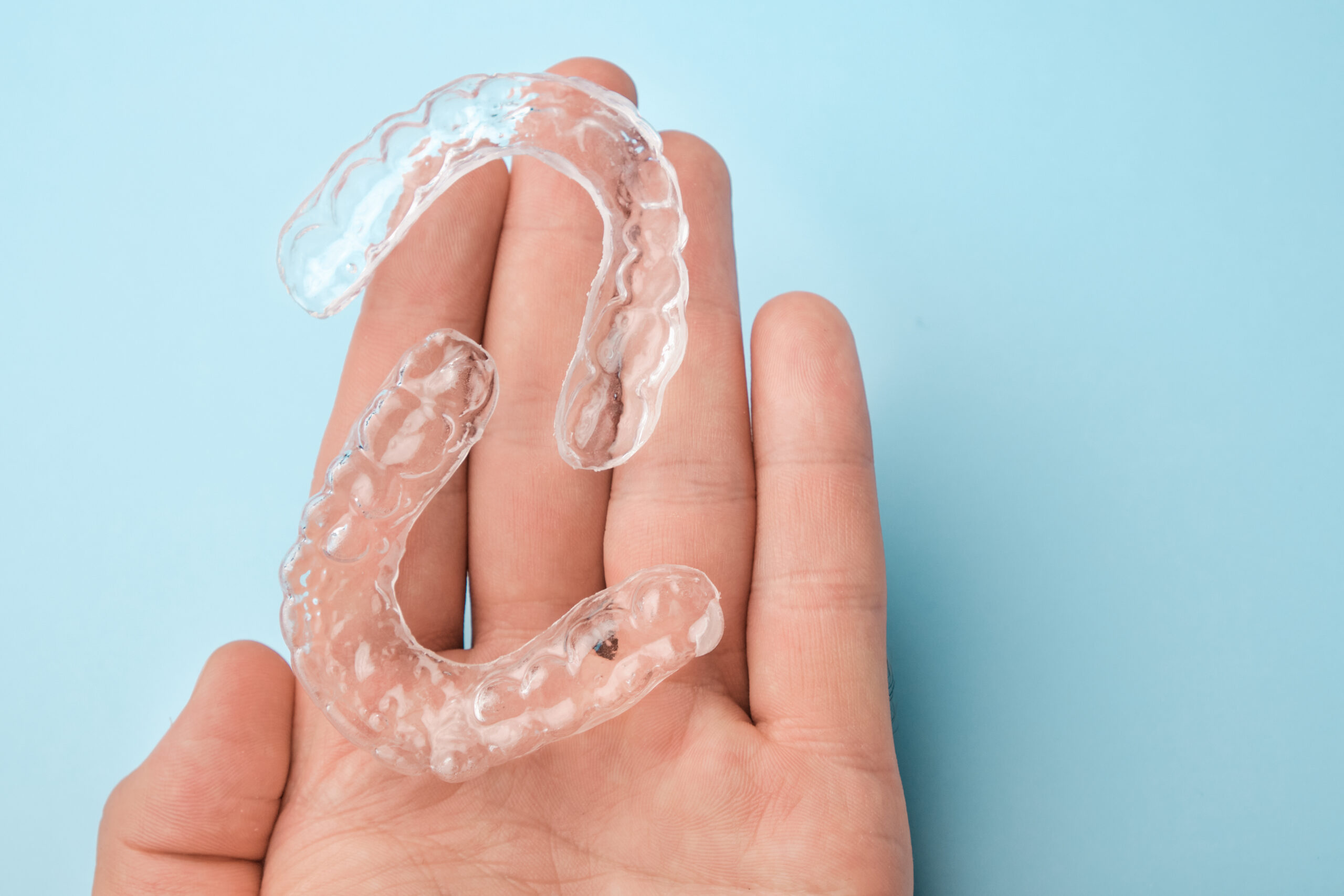
Clear aligners fit a busy professional’s life because they work quietly in the background of your day: they are nearly invisible, they require fewer in-office visits than traditional braces, and they come out whenever you need them to. For adults balancing client meetings, presentations, and a full calendar, that combination of discretion and flexibility is often the deciding factor in choosing to finally straighten a smile.
At Distinctive Dentistry by Mullens & Nguyen, our team, including Dr. Mullens, Dr. Nguyen, and Dr. Myers, has helped countless Jacksonville professionals achieve the smiles they want with clear aligner treatment tailored to their lives, using both SureSmile and Smart Moves systems. Our cosmetic dentistry approach is rooted in personalized care, and we understand the value of a treatment option designed to work around real-world demands.
Why Are Clear Aligners a Great Fit for Professionals?
Clear aligner treatment uses a series of custom-fitted, removable trays to gradually shift your teeth into alignment. Unlike traditional metal braces, aligners are nearly invisible and can be removed for eating, drinking, and oral hygiene. According to the American Association of Orthodontists, clear aligner therapy has become one of the most sought-after orthodontic options for adult patients, and it is easy to see why.
Here are five key benefits clear aligners offer professionals with full schedules.
1. They Are Nearly Invisible
SureSmile and Smart Moves clear aligners are made from smooth, transparent plastic, making them difficult to notice during conversations, presentations, or client meetings. You can smile and engage with confidence throughout treatment without drawing attention to the fact that you are straightening your teeth. For anyone whose professional presence depends on a polished appearance, this discreet quality is a meaningful advantage.
2. They Fit Around Your Schedule
One of the biggest hurdles with traditional orthodontic treatment is the frequency of in-office adjustments. Clear aligners typically require fewer appointments, with check-ins spaced several weeks apart. Many modern aligner systems also allow for periodic photo check-ins between visits, so our team can monitor your progress without pulling you out of the office as often. That means less time away from work and fewer last-minute calendar conflicts to manage.
3. They Come Out for Meals and Important Moments
Unlike fixed braces, clear aligners are completely removable. You can take them out for meals, client dinners, photos, or any occasion where you prefer not to wear them. The general recommendation is to wear aligners 20 to 22 hours per day, leaving you with flexibility when it matters most.
4. They Support Better Oral Hygiene
Brushing and flossing with traditional braces can be time-consuming and complicated. Because clear aligners are removable, you can maintain your normal dental hygiene routine without any special tools or techniques. Cleaner teeth throughout treatment also means a healthier outcome once your aligners come off.
5. They Deliver Results You Can See Building Over Time
Clear aligner treatment uses a series of trays that move your teeth incrementally closer to your final goal. Many patients find motivation in watching their smile transform tray by tray. Treatment timelines vary based on individual needs, but many cases can be completed within 12 to 18 months, with some shorter cases wrapping up even sooner.
How Clear Aligners Compare to Traditional Braces
Beyond appearance, clear aligners and traditional braces differ in how they handle daily life. Braces are fixed to the teeth for the full course of treatment, which means no interruptions for meals or events, but also more effort during brushing and flossing and more frequent adjustment appointments. Aligners trade that constant presence for removability and a lower profile, though they depend on patient discipline to hit the recommended wear time each day. For a closer look at how the two options compare on cost, treatment time, and candidacy, our Invisalign versus braces comparison breaks down the differences in more detail.
What Should You Know Before Starting Clear Aligner Treatment?
Clear aligners work best for mild to moderate alignment concerns, including crowding, spacing, and certain bite issues. More complex bite problems may still respond better to traditional braces or a combination approach, which is why a thorough consultation with our team is the right first step. We use advanced dental technology to evaluate your bite and map out a precise treatment plan before any trays are made.
Cost is another common consideration. Clear aligner treatment is often comparable to traditional braces in overall price, and we offer flexible financing options to help spread that investment out in a way that fits your budget. For professionals who have been curious about Smart Moves clear aligners or other aligner options, we encourage you to explore what our program offers and how it is designed to deliver effective results with the kind of flexibility that fits a demanding lifestyle.
Frequently Asked Questions About Clear Aligners for Professionals
How many hours a day do I need to wear my clear aligners?
Most patients are advised to wear their aligners for 20 to 22 hours each day, removing them only for eating, drinking anything other than water, and brushing or flossing. Consistent wear time is one of the biggest factors in staying on track with your treatment timeline.
Can clear aligners fix bite problems, or just crowding and spacing?
Clear aligners are generally well suited to mild to moderate crowding, spacing, and certain bite irregularities. More significant bite problems may respond better to traditional braces or a combination of treatments. A consultation with a bite evaluation is the most reliable way to know which approach fits your specific case.
Will clear aligners affect how I speak?
Many patients notice a slight, temporary lisp during the first few days of wearing a new tray as the tongue adjusts. This effect typically fades quickly as you get used to speaking with the aligner in place, and it should not interfere with your work or daily conversations for long.
How often do I need to switch to a new aligner tray?
Most treatment plans call for switching to the next tray in the series every one to two weeks, depending on your individual plan. Each new tray applies gentle, incremental pressure that gradually moves your teeth toward the final result mapped out during your consultation.
Is clear aligner treatment covered by dental insurance?
Many dental insurance plans offer at least partial orthodontic coverage that can apply to clear aligners, though the amount varies widely by plan. Our team can help verify your specific benefits, and flexible financing is also available for any portion your plan does not cover.
Schedule Your Clear Aligner Consultation at Distinctive Dentistry by Mullens & Nguyen
Clear aligners combine clinical effectiveness with real-world convenience, making them a natural choice for Jacksonville professionals who want a straighter smile without sacrificing their schedule or appearance. From the discreet look of the trays to the flexible wear schedule, this treatment is built for people who need results without unnecessary disruption.
If you are ready to find out whether clear aligners are right for you, our team at Distinctive Dentistry by Mullens & Nguyen would love to help. Use our contact form or request an appointment to take the first step toward a smile you feel proud to share.
About the Author
Founding Dentist | Fellow, American College of Dentists
Dr. Mullens has served the Jacksonville community for more than 30 years, earning his Doctor of Dental Surgery from the University of North Carolina at Chapel Hill and completing an Advanced General Dentistry Residency at the University of Florida College of Dentistry. He is a Fellow of the American College of Dentists with a focus on rehabilitative dentistry and esthetic dentistry.


