
The Truth About Charcoal Toothpaste and Natural Whitening Remedies

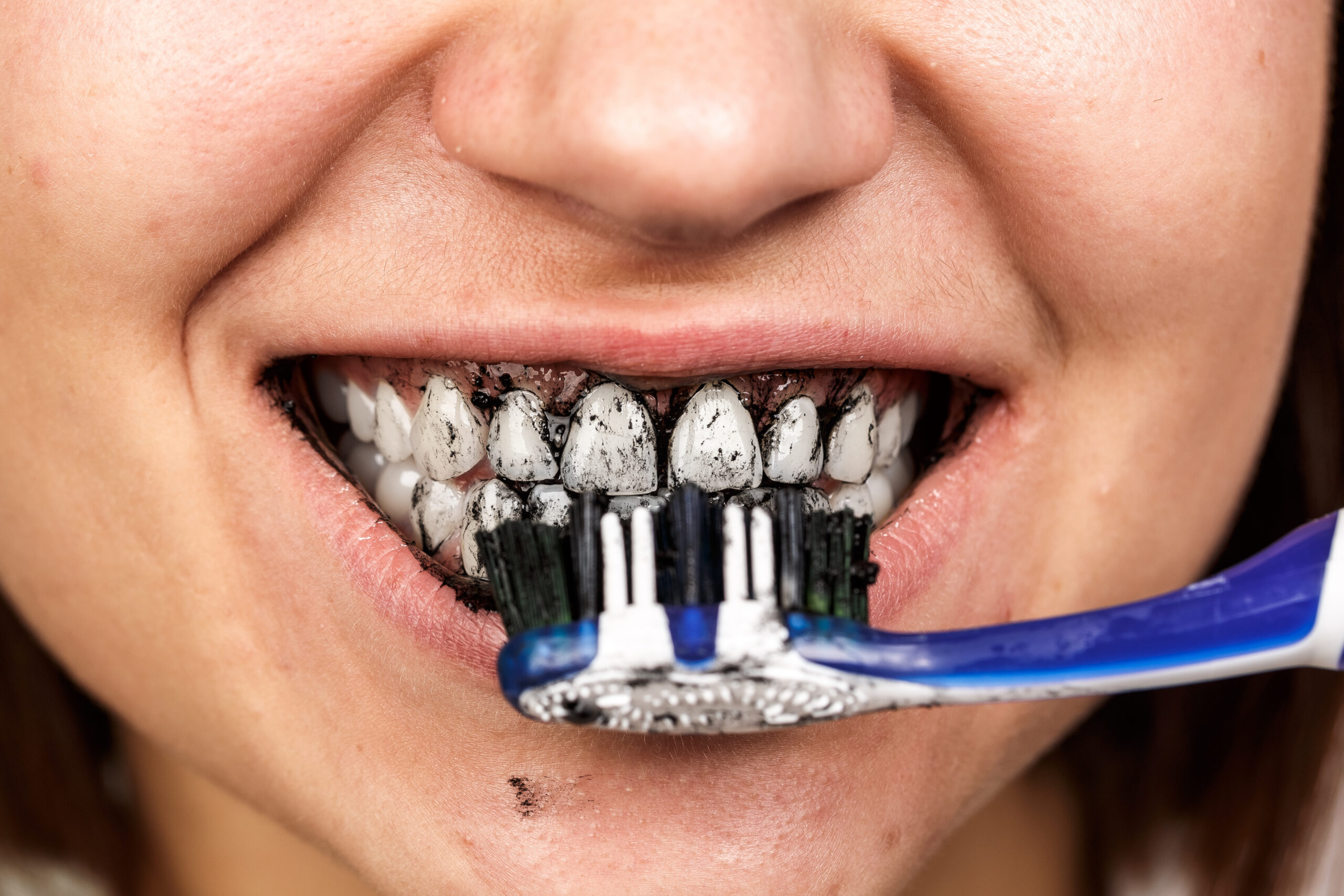
Young woman holding a toothbrush with black activated charcoal toothpaste close-up
Scroll through social media for ten minutes, and you will find someone swearing that rubbing black powder on their teeth gave them a Hollywood smile. Charcoal toothpaste and natural whitening remedies have exploded in popularity, fueled by influencer endorsements and the appeal of "chemical-free" oral care. But before you trade in your fluoride toothpaste for a jar of activated charcoal or start oil-pulling every morning, there are some important things to know about what these trends actually do to your teeth.

At Distinctive Dentistry by Mullens & Nguyen in Jacksonville, FL, we see patients twice a year for routine care and know firsthand how at-home whitening trends can affect long-term oral health. Dr. Richard Mullens, a Fellow of the American College of Dentists with over 35 years of experience, Dr. James Nguyen, who holds a Bachelor of Fine Arts in Sculpture and serves as Courtesy Faculty at the UF College of Dentistry, and Dr. Myers take an individualized approach to every smile. Our cosmetic dentistry services are designed to deliver real, lasting results safely.

Is Charcoal Toothpaste Actually Safe for Your Teeth?

Charcoal toothpaste is marketed as a natural way to absorb surface stains and detoxify the mouth. The reality is more nuanced. Activated charcoal is highly abrasive, and regular use may wear away tooth enamel over time. Enamel does not grow back once it is lost, and thinner enamel can make teeth look more yellow, not less.

A study published by the National Library of Medicine reviewed the evidence on charcoal-based dental products and found insufficient data to support their safety or efficacy. Researchers raised particular concern about enamel erosion and the lack of fluoride in most charcoal products, which may increase the risk of cavities. This is not a fringe concern, but a consensus shared by most dental professionals.

What About Other Popular Natural Whitening Remedies?

Natural whitening remedies come in many forms, and the promises often outpace the evidence. Some of the most commonly tried options include:

  • Oil Pulling: Swishing coconut or sesame oil for 15–20 minutes may reduce certain bacteria, but there is no reliable clinical evidence that it whitens teeth
  • Baking Soda: Mildly abrasive and modestly effective at removing surface stains, but overuse can still wear enamel
  • Hydrogen Peroxide Rinses: Low concentrations may offer minor brightening effects, but incorrect dilution can irritate gum tissue and increase tooth sensitivity

The short version is that most natural remedies offer modest results at best and carry real risks if used improperly or too often.

Why Do Whitening Trends Keep Going Viral?

The appeal of natural whitening makes sense. People want effective solutions without harsh chemicals, and the before-and-after photos look compelling. However, what social media rarely shows is the full picture: the sensitivity flare-ups, the enamel damage, or the fact that many “dramatic” results are lighting changes or photo filters.

Surface-level stains can respond to some of these methods temporarily, but intrinsic staining — discoloration that comes from within the tooth itself — cannot be addressed by any topical product, natural or otherwise. That kind of whitening requires professional care. Our general dentistry and dental hygiene education services help patients build a strong foundation so that whitening treatments can perform their best.

What Does Professional Whitening Actually Do Differently?

Professional whitening uses clinically tested concentrations of peroxide that penetrate beneath the enamel surface to safely lift intrinsic stains. The process is monitored, adjusted for individual sensitivity, and built around the health of your specific teeth.

We offer Kor and Opalescence teeth whitening for patients who want noticeable, lasting results without the guesswork of at-home trends. For patients who want to take whitening further, we can also discuss how treatments like dental bonding work alongside whitening to address chips, uneven color, or surface irregularities that no toothpaste can fix.

Schedule a Consultation at Distinctive Dentistry by Mullens & Nguyen

Charcoal toothpaste and natural whitening remedies are not inherently evil, but they are also not substitutes for professional care. Most carry real risks to enamel and gum health, deliver inconsistent results, and simply cannot address the deeper causes of tooth discoloration. A personalized consultation is the most reliable way to understand what is actually staining your teeth and what treatment will work best for your smile.

If you are ready for a whiter smile that does not come at the cost of your enamel, our team is here to help. Call our Jacksonville office at 904-399-3163 or use our contact form to schedule your appointment today.

Office Hours

8:00 am – 5:00 pm
8:00 am – 5:00 pm
8:00 am – 5:00 pm
8:00 am – 5:00 pm
8:00 am – 11:30 am

Something Stuck Between the Teeth

If you have any food debris or an object stuck between your teeth, don’t try to remove it with a toothpick or any sharp objects, as this could damage your gums. Typically, gently flossing around the tooth and rinsing your mouth with saltwater can help dislodge it. However, if you’re not having any luck, you can also give our office a call. Our dental hygienists have all of the necessary tools to safely remove the debris.

Jaw Pain

Is Jaw Pain a Dental Emergency? Lockjaw, jaw tension, and pain are just a few of the many different types of jaw pain. If your discomfort is chronic, our team can help you determine the underlying cause of it and refer you to a specialist if necessary. However, if your pain is a result of an impact, visit your local emergency room.

How You Should Handle Jaw Pain: Our team is happy to provide you with further guidance over the phone if you’re unsure of where to go for help. You can place an ice pack on the outside of your face to relieve any discomfort.

How We Treat Jaw Pain: If you believe your jaw is broken, dislocated, or damaged due to trauma, visit your local ER immediately. If it’s a reoccurring issue, our team can help you determine best next steps for finding relief after conducting an examination.

Injury to the Gums, Lips, or Tongue

Is an Injury to the Gums, Lips, or Tongue a Dental Emergency?  If your oral injury doesn’t stop bleeding after 10 minutes, you may need to go to the emergency room. Or, if you’re conflicted about what to do, give our office a call and our team can help.

How You Should Handle an Injury to the Gums, Lips, or Tongue: Oral wounds can bleed a lot, and when the blood mixes with the saliva, it can make the injury look a lot worse than it is. You can stop the bleeding by using a clean washcloth or piece of gauze and pressing it against the cut. A cold compress can help to reduce any swelling that may occur.

How We Treat Injuries to the Gums, Lips, or Tongue: Our team typically doesn’t see patients for injuries. If you require stitches or the bleeding doesn’t stop within 10 minutes of placing pressure on it, visit your local emergency room.

Loose Permanent Tooth

Is a Loose Permanent Tooth a Dental Emergency? If your tooth is wiggling in its socket or partially dislodged, try to get to our office as soon as possible to prevent any further damage. If you’re experiencing pain, our team can provide you with first aid guidance over the phone.

How You Should Handle Loose Permanent Teeth: Avoid touching your tooth and eating any foods (especially those that are chewy or sticky), and rinse your mouth with lukewarm saltwater to remove any debris and cleanse the area. Avoid flossing or brushing your teeth until you’re able to see us.

How We Treat Loose Permanent Teeth: If your tooth has become partially dislodged due to impact, our team may be able to salvage it and see if the roots are able to re-fuse with the bone. In the case that your tooth can’t be saved, we may recommend an extraction and replacement with a dental implant or bridge.

Broken Denture

Is My Broken Denture a Dental Emergency? Whether your denture has broken to the point of it being unwearable or it just has a crack, you should never wear a damaged prosthetic. It can lead to irritation of the oral tissues in addition to jaw discomfort. If you have existing teeth and try to wear your damaged denture, it could also harm those teeth. Call our office immediately so our team can assess your prosthetic.

How You Should Handle a Broken Denture: Although your local department store likely sells a denture repair kit, do not try to superglue or repair your own dentures. The best option in this scenario is to see a professional as soon as possible.

How We Treat Broken Dentures: Our team will examine your dentures and see if we’re able to repair them. If they’re damaged beyond repair, we can start the process of replacing them for you.

Lost Filling or Crown

Is a Lost Filling or Crown a Dental Emergency? Yes, both of these situations warrant an immediate call to our Jacksonville dental office. That way, we can repair or replace your restoration as quickly as possible.

How You Should Handle a Lost Filling or Crown In addition to reaching out to us to schedule an appointment, we recommend not eating anything crunchy, hard, or sticky. Additionally, keep your restoration somewhere safe, like a small, clean container.

How We Treat Lost Fillings or Crowns There are some cases where we can re-cement your restoration back in place, like if your dental crown is relatively new and in good condition. Other times, our only option is to replace your dental crown or filling with a new one.

Knocked-Out Tooth

Is My Knocked-Out Tooth a Dental Emergency? Since this dental injury can cause a significant amount of pain and there is only a small window of time where we can save your tooth (about 60 minutes), the answer is “yes!” So, don’t hesitate – contact our Jacksonville dental team right away to schedule an emergency appointment.

How You Should Handle a Knocked-Out Tooth Calling us is an important first step. This ensures that we can schedule an appointment for you with one of our dedicated emergency dentists right away. Plus, it allows us to guide you through the process of preserving the root of your tooth – whether that’s by placing it back in its socket or putting it in a clean container filled with milk.

How We Treat Knocked-Out Teeth Fortunately, a knocked-out tooth can sometimes be saved. If that’s not the case for some reason – like you weren’t able to find your tooth – then we will instead begin the process of replacing it with a dental bridge or implant so the look, health, and function of your smile are restored.

Very Sensitive Teeth

Are Very Sensitive Teeth a Dental Emergency? Very sensitive teeth can be a dental emergency. That’s why it’s important to consider how long you’ve been experiencing symptoms and if they are present in tandem with others, like pain when biting down.

How You Should Handle Very Sensitive Teeth There’s really only one thing you can do until your appointment: try to avoid things that could exacerbate your discomfort. In other words, don’t drink anything really hot, don’t eat anything really cold, and take OTC pain medication as directed on the label (if needed).

How We Treat Very Sensitive Teeth That depends on what’s causing your dental sensitivity. If it’s a cavity, then it’s likely that a tooth-colored filling or dental crown is the answer. If it’s an infection in your gums, then gum disease treatment is needed instead.

Cracked Tooth

Is a cracked tooth a dental emergency? Cracked teeth are considered dental emergencies and you’ll need to visit your emergency dentist as soon as possible. Leaving your tooth untreated can allow it to be vulnerable to further damage and bacteria. Before the situation worsens, schedule an appointment with our team so we can determine the best way to address your tooth.

How you should handle a cracked tooth: Refrain from chewing on that side of your mouth, otherwise you could end up disturbing your injured tooth. Take over-the-counter pain relievers to minimize discomfort. You can also rinse with saltwater to keep your tooth bacteria-free. If you notice any sharp or jagged edges on your tooth, you can use dental wax or sugar-free gum to protect your soft oral tissue.

How we treat cracked teeth: We’ll examine your cracked tooth to determine the cause of the situation as well as the proper treatment for it. If the crack is minor, then we can typically address it with composite resin to improve and strengthen your tooth. For more severe damage, you may require a dental crown to repair the structure and prevent future discomfort. If the tooth cannot be saved, then we’ll likely have to extract it and replace it with something else, such as a dental bridge, partial denture, or dental implant.

Chipped Tooth

Is a chipped tooth a dental emergency? Chipping your tooth isn’t always considered an urgent dental situation, so it isn’t the end of the world if you don’t get it treated right away. That said, leaving it exposed to bacteria for too long can lead to problems later on. Before the situation can become worse, it’s best to visit your dentist for help.

How you should handle a chipped tooth: Until you’re able to see us for treatment, be sure to avoid chewing on that side of your mouth. Be gentle when brushing your teeth and gums, and don’t hesitate to use dental wax to cover up any rough or sharp edges you might notice. This can help you prevent harming your cheeks or other soft oral tissue.

How we treat chipped teeth: Chipped teeth can typically be treated by using composite resin to repair and improve them. However, if the damage is more visible and toward the front of your smile, then veneers might be the longer-lasting solution you’re looking for.

Toothaches

Is my toothache a dental emergency? Toothaches can be due to various reasons, some of which might not be particularly urgent. Even so, this can sometimes be an indication of a more serious dental emergency, such as an oral infection. That’s why it’s best to visit your dentist sooner rather than later so that they can address the underlying problem before it grows.

How you should handle a toothache: Rinse your mouth with saltwater to sanitize the area, dislodge any stuck objects between your teeth, and help alleviate any discomfort. You can also take over-the-counter pain medications to further minimize the aching.

How we treat toothaches: Our team will need to thoroughly evaluate your smile to determine the root cause of your toothache. If it’s due to periodontal issues, then we’ll provide gum disease treatment. Other procedures to get rid of your toothache might involve root canals or tooth extractions, if necessary. We’ll be sure to walk you through your options before moving forward with any treatment.