


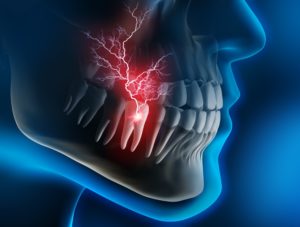
A toothache is hard to ignore under any circumstances, but many people notice the pain seems to peak the moment they lie down for bed. If this sounds familiar, you are not imagining it. There are real physiological and behavioral reasons dental pain intensifies at night, and understanding them can help you manage the discomfort while you arrange care.
What a nighttime toothache should never be is a signal to wait. Tooth pain is always telling you something, and delaying treatment tends to make the underlying problem worse. At Distinctive Dentistry by Mullens and Nguyen, we treat dental pain promptly and get to the source of the problem rather than masking it. If you are dealing with a toothache that is keeping you awake, our emergency dentistry team in Jacksonville is here to help you find relief and a lasting solution.
Four Reasons Toothaches Feel Worse at Night
Dental pain does not actually get worse after dark, but several factors converge in the evening hours that make existing pain feel more intense. Here is what is behind it.
What a Toothache Is Telling You
A toothache is never normal, and it is rarely a coincidence. Pain in a tooth most commonly signals one of the following underlying issues: a cavity that has reached the inner pulp of the tooth, a cracked or fractured tooth, an abscess or infection, gum disease that has advanced to the point of affecting the tooth root, or a failing restoration. According to the National Institutes of Health, bruxism can also cause significant tooth wear and sensitivity that contributes to pain, particularly at night when grinding episodes go unnoticed.
In any of these cases, the underlying condition will not resolve on its own. Home remedies can ease your symptoms temporarily, but the problem driving the pain requires professional diagnosis and treatment. The longer treatment is delayed, the more extensive the solution typically needs to be.
How to Manage the Pain Until You Can Be Seen
If you cannot be seen immediately, these steps can help reduce discomfort enough to get some rest.
These measures are temporary. None of them treat the underlying cause of your toothache, and none should be used as a reason to postpone your appointment. Delaying care risks allowing infection to spread, requiring more involved treatment, or ultimately costing you the tooth.
About Dr. Richard Mullens
Dr. Mullens has spent over 35 years providing general, restorative, and emergency dentistry. He is a Fellow of the American College of Dentists and a member of the American Dental Association. Alongside Dr. James Nguyen and Dr. Shara Myers, he leads a practice built around identifying the true source of a patient’s discomfort and addressing it with precision and care.
If a toothache is keeping you up at night, do not wait for it to resolve on its own. Request an appointment with our Jacksonville office and let us find the cause and the solution.
Frequently Asked Questions About Nighttime Toothaches
Is it normal for a toothache to feel worse only at night?
Yes, this is a common pattern driven by fewer distractions, increased blood flow to the head when lying down, and evening habits like grinding or late eating. The underlying cause of the pain is present around the clock, even though it feels most intense at night.
Can a toothache go away without treatment?
Pain can temporarily subside, especially if the nerve inside the tooth has died, but this does not mean the underlying problem has resolved. Untreated decay or infection typically continues to progress even when pain lessens.
Should I go to the emergency room for a toothache?
Emergency rooms can offer pain relief and antibiotics but generally cannot treat the dental problem itself. For a toothache, an emergency dentist is usually the better first call, unless you have facial swelling, difficulty breathing or swallowing, or a high fever, which warrant emergency medical attention.
How do I know if my toothache is from grinding or something more serious?
Grinding-related pain often presents as general jaw soreness or dull aching across multiple teeth, while pain from decay or infection tends to localize to one tooth and can be sharp or throbbing. Either way, a dental exam is the only reliable way to tell the difference.
How quickly can I be seen for a nighttime toothache?
Our emergency dentistry team prioritizes same-day and next-day appointments for patients in significant pain. Call our office as soon as symptoms start rather than waiting to see if the pain resolves on its own.


