


Medically Reviewed by Dr. Richard Mullens, DDS on September 2, 2026
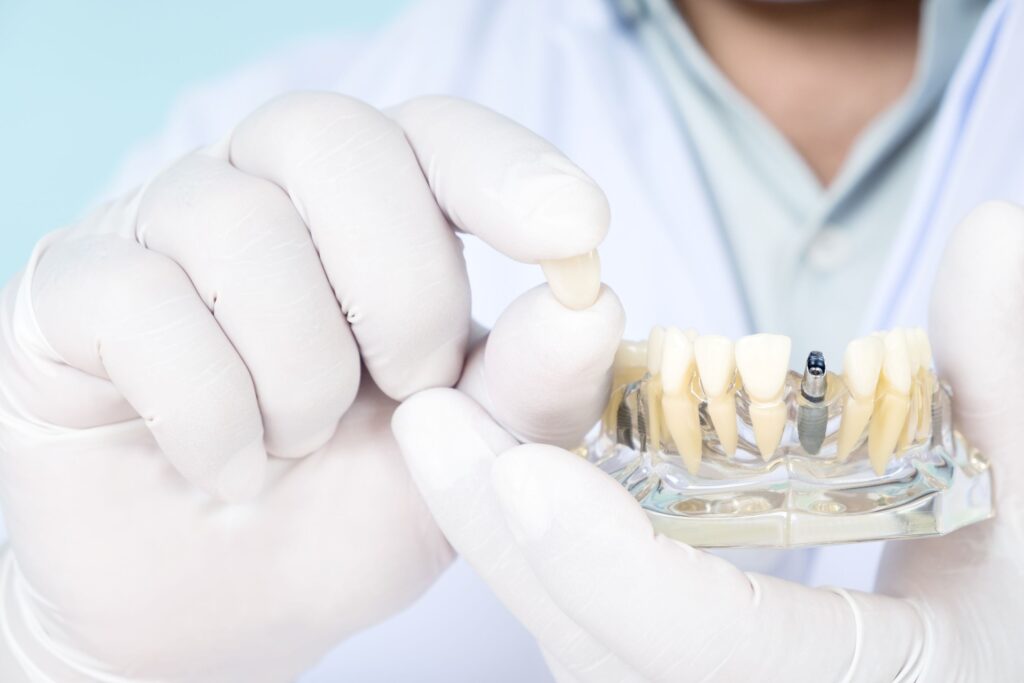
Dental implants are widely considered one of the most reliable ways to replace missing teeth because, unlike a bridge or denture, they include a titanium rod anchored directly into your jawbone. That said, no restoration succeeds automatically. Several factors influence how well an implant fuses, heals, and holds up over the years, and understanding them helps you protect your investment from day one.
Consideration #1: Your Overall Condition
Before approving the procedure, your provider must update your medical history and examine your mouth to ensure no pre-existing conditions can interfere. Although they want to help rebuild your smile, they must ensure that your mouth and body are strong enough to undergo surgery.
Those who suffer from other health concerns, like diabetes, have dysregulated blood glucose levels that impact blood circulation. This can hinder their recovery because the body is less able to deliver infection-fighting nutrients to your mouth, slowing your healing process while increasing the risk of infection.
Consideration #2: Your Jawbone Density
Did you know that the roots of your teeth are responsible for strengthening your jawbone? Every time you bite down, they stimulate new bone growth that keeps it active and healthy to maintain your teeth and facial structure. Once pearly whites go missing, it starts to thin and can eventually become too frail to support those that remain.
Thankfully, the titanium rod of your implant can help prevent this process of degeneration by functioning like a root to stimulate your jawbone. However, if your jaw is too weak, it might not successfully fuse with the metal post, which can eventually destabilize your restoration and cause it to loosen or fail. An additional bone graft is often needed to build it up sufficiently to continue with implants.
Consideration #3: Your Gum Health
Your dentist will also check to ensure no tooth decay or gum disease is present in your mouth before scheduling your implant procedure, because these common oral issues can significantly impact the results. If you already have gum disease, the extra bacteria in your mouth are more likely to penetrate your connective tissues and lead to peri-implantitis.
This progressive periodontal problem is a leading cause of dental implant failure, though it can potentially be avoided with proper preventive care. You should brush and floss your teeth twice daily to consistently remove plaque buildup and visit your provider every six months for a routine checkup and cleaning. That way, they can identify and address any areas of concern, like early gum disease, before they progress and harm your prosthetics.
Consideration #4: Whether You Use Tobacco
Tobacco use is one of the most significant risk factors for implant complications, and it is often overlooked. A peer-reviewed 10-year study of implant survival found overall success rates around 95% for non-smokers, while success rates for smokers ranged from roughly 85% to 90% depending on smoking history. Smoking restricts blood flow to the gum tissue and slows healing, which raises the risk of peri-implantitis and implant failure. Reducing or quitting tobacco use before and after implant surgery can meaningfully improve your odds of long-term success.
Consideration #5: Following Your Aftercare Instructions
The weeks immediately after implant placement matter just as much as the factors your provider checks beforehand. Sticking to any dietary restrictions, avoiding excessive pressure on the healing implant, and attending follow-up appointments all give the bone time to properly fuse with the titanium post. Skipping these steps, even with an otherwise healthy mouth, can put the outcome at risk.
If you’re unsure whether your implant is in good health, the best way to find out is to schedule an appointment with your dentist.
About the Practice
At Distinctive Dentistry by Mullens & Nguyen, you and your family benefit from a team of dentists with decades of combined experience. They provide a wide range of services and welcome patients of all ages to streamline your household’s dental care. Then, they take the time to get to know you to provide treatment plans tailored to your unique needs. They perform each step of the dental implant process in the office, so you don’t have to seek outside providers, and are eager to help you rebuild your grin. You can request an appointment on our website.
Frequently Asked Questions About Dental Implant Success
What is the single biggest factor in dental implant success?
There is not one single factor, but rather a combination of jawbone density, gum health, and overall medical condition that determines how well an implant fuses and holds up over time. Consistent oral hygiene and regular checkups after placement also play a major role in whether the implant remains successful for years to come.
Does smoking affect dental implant success?
Yes. Research shows implant success rates are meaningfully lower in smokers compared to non-smokers, largely because smoking restricts blood flow and slows healing around the implant site. Reducing or quitting tobacco use before and after surgery can improve the likelihood of long-term implant success.
What is peri-implantitis and why does it matter?
Peri-implantitis is a progressive gum infection around a dental implant, similar to gum disease around a natural tooth. It is one of the most common causes of implant failure, but it can often be prevented or caught early with consistent brushing, flossing, and biannual professional cleanings.
Can I still get a dental implant if I have low jawbone density?
In many cases, yes. A bone graft procedure can be performed to build up jawbone density before implant placement, giving the titanium post enough surrounding bone to properly fuse. Your dentist can evaluate your bone structure and let you know whether a graft may be recommended in your situation.
How can I tell if my dental implant is healing properly?
Mild swelling and soreness in the first days after placement are normal and should gradually improve. Ongoing pain, looseness, persistent swelling, or bleeding are signs worth having evaluated. Attending your scheduled follow-up visits is the most reliable way to confirm your implant is healing as expected.
About the Author
Founding Dentist | Fellow, American College of Dentists
Dr. Mullens has practiced dentistry in Jacksonville for more than 35 years and is a Fellow of the American College of Dentists. His areas of focus include rehabilitative dentistry, dental implant therapy, and esthetic dentistry, and he continues advanced continuing education to bring current techniques to every patient visit.


